
Anyone who has ever driven a car with matrix LED headlights will never want to go through the darkness without it again. What are the differences to halogen or xenon headlights? What are the advantages and disadvantages of the respective headlight lighting technology? What do you need to consider when retrofitting? We explain in this guide.
Matrix LED headlights in brief:
- Light module introduced in the Audi A8 in 2013
- The matrix allows individual areas to be hidden selectively.
- Almost every manufacturer offers matrix LED systems for their new cars.
- There are differences in the number of LED segments.
- Retrofitting and conversion is possible, but complex
Conversion from halogen to LED
Many new cars and used cars offer xenon, LED or matrix LED headlights. In the meantime, old halogen headlights can also be retrofitted with LEDs, but only for a few models built from 2009 onwards
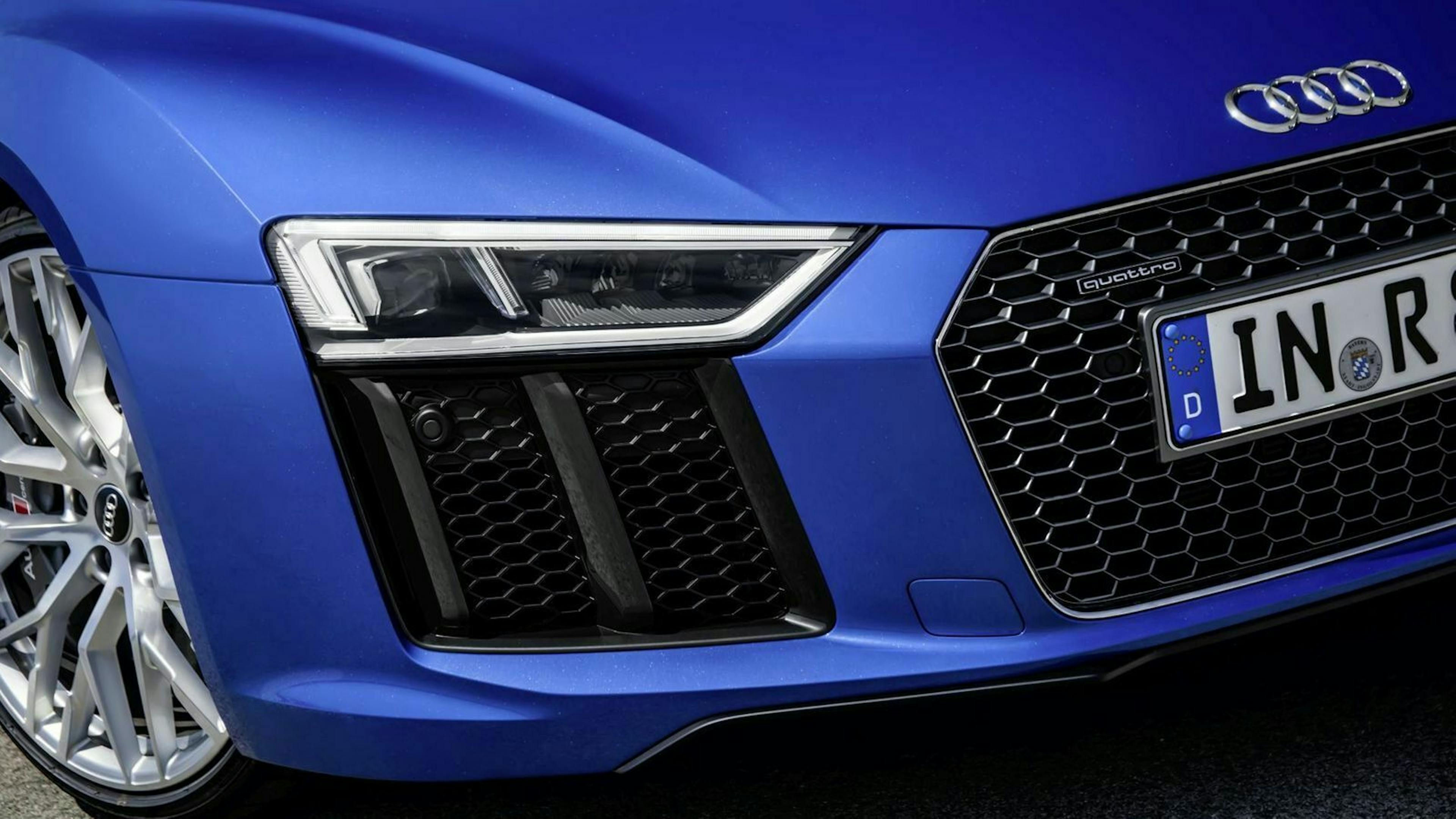
Xenon headlights (since 1991) consume less energy, shine brighter and last longer than halogen headlights. But they cost more, require a headlight cleaning system and automatic level control. Therefore, they can hardly be retrofitted. In the meantime, the technology is considered outdated.
Halogen, xenon and LED in comparison
Of course, the newer the headlight technology, the brighter the lamps shine. But manufacturers have also been able to achieve many improvements over the years in terms of service life and power consumption. The different technologies were compared with each other in numerous tests.
| Lifetime | Electricity consumption | |
|---|---|---|
| Halogen | 220-900 hours | 57 watts (brightness: 32 lux) |
| Xenon | 3,000 hours | 46.5 watts (brightness: 42.3 lux) |
| LED | > 50,000 hours | 43.2 watts (brightness: 50 lux) |
Source: TCS
LED and Matrix LED
Car manufacturers have been experimenting with light-emitting diode (LED) headlights since 2008. The advantages of LEDs: higher luminous efficacy with lower power consumption. In addition, LEDs last longer than xenon burners, cost less and allow manufacturers to design narrower headlights when designing new models. LED lights have therefore been replacing xenon headlights in many vehicles for years.
In 2013, Audi introduced matrix LEDs with 36 individual modules in the A8. With the new matrix LED headlights, individual focal points can be controlled separately. For the first time, this allows the luminaires to temporarily hide certain areas. These include, for example, oncoming vehicles, signs, cyclists or pedestrians who are detected by a camera in the car. A real quantum leap in headlamp development.
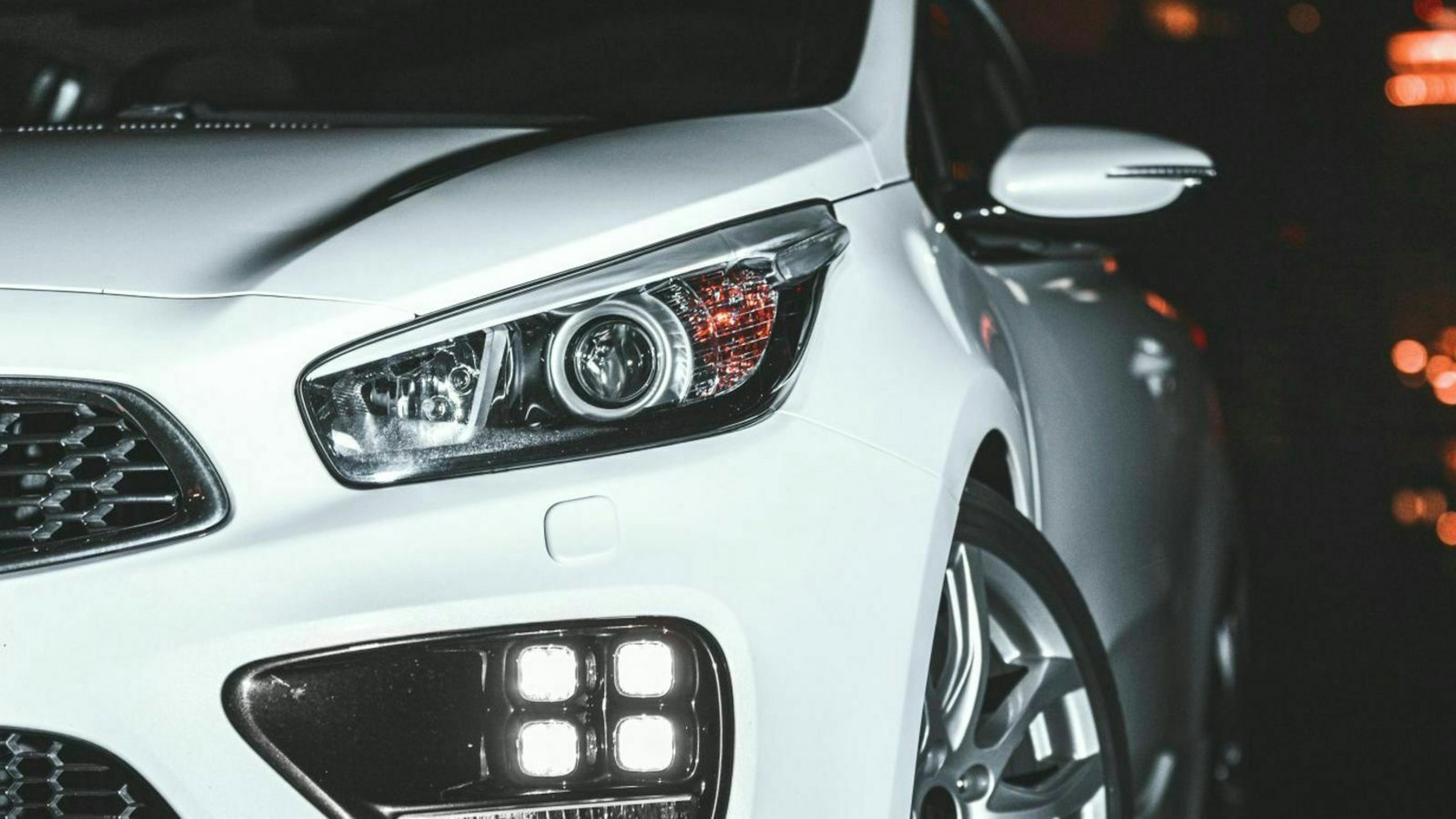
The term matrix refers to the arrangement of the LED luminaires. The diodes are arranged in table form, horizontal rows meet vertical columns. Depending on the situation, individual segments of the matrix are temporarily darkened.
The combination of matrix LED and automatic headlights allows drivers to drive with their high beams on at all times. The system permanently switches off the diodes that could dazzle other road users. This so-called glare-free high beam ensures optimum illumination of the road.
Matrix LED: Different systems from manufacturers
Almost all manufacturers now offer such systems.
- Audi Matrix LED
- BMW adaptive LED headlights
- Ford Dynamic LED
- Mercedes Multibeam LED
- Opel IntelliLux LED
- Toyota Matrix LED
- VW IQ Light
They usually differ in the number of individually equipped LED chips. The more of them sit on a circuit board, the finer the light can be controlled and the brighter the street is illuminated. Opel will initially install 16 LED segments per headlight in the Astra, Mercedes already 84 LED segments. In the meantime, the Mercedes system, called Multibeam, has more than one million Mini mirrors in the S-Class. Like a projector, it could even be used to paint writings or symbols on the street. But even systems with significantly fewer points still offer advantages over static LED headlights.
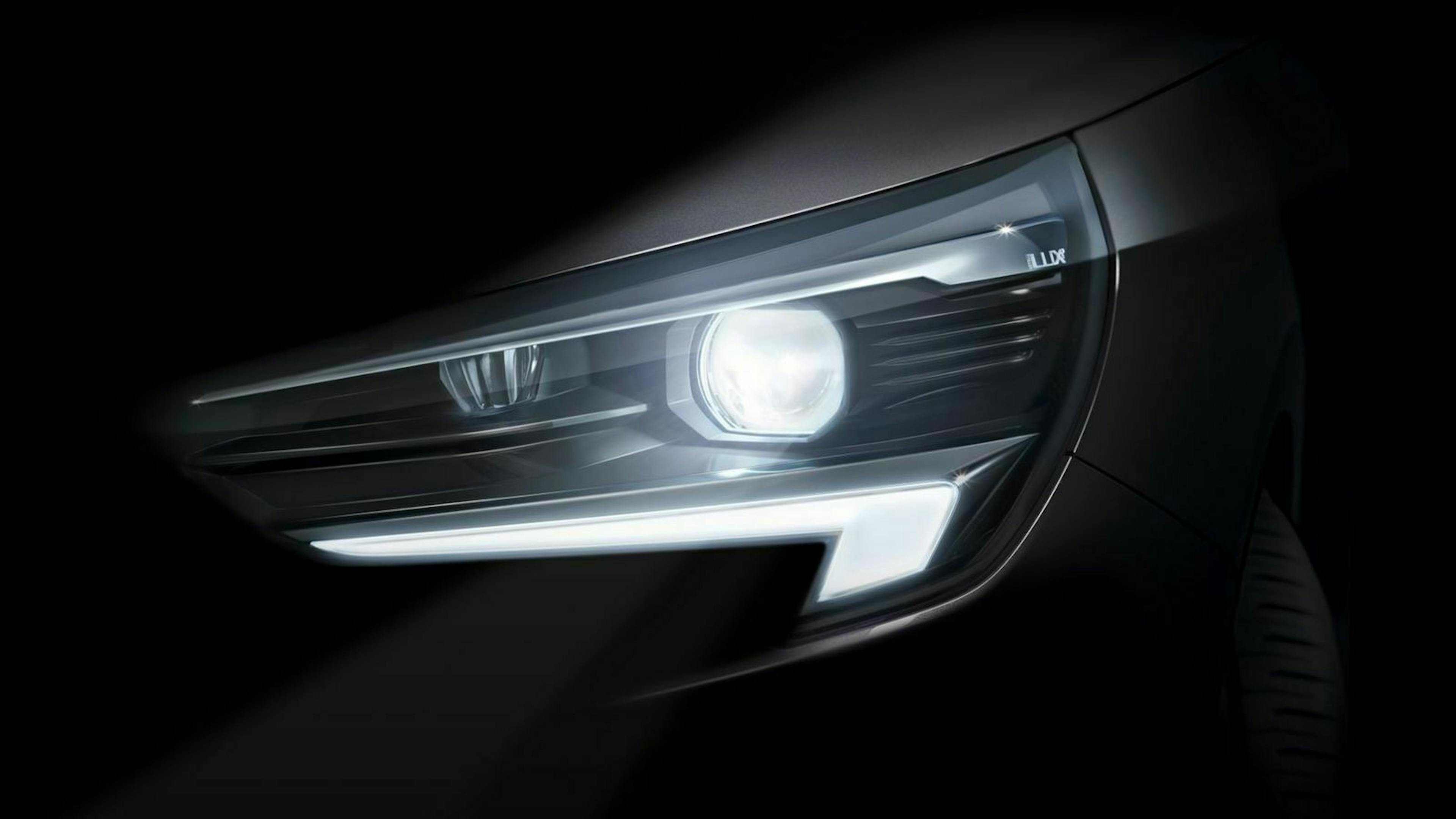
Headlights: Conversion to matrix LED
Converting cars with xenon and LED headlights to matrix LED is very complicated. This requires not only new headlights, but also a camera behind the windshield. She has to share her information with the headlights.
If you are planning to buy a new car, you should therefore definitely drive at dusk or at night to test the headlights extensively.
Laser Light: Technology
Some companies, including Audi, advertise that their vehicles use laser light. Laser diodes generate a blue laser beam, which is converted into daylight-white light by a phosphor layer. The laser light only serves as a high beam. It cannot be used as a dipped beam.
The selection of new and used cars with matrix LEDs offered by mobile.de is large. More than 96,000 vehicles will be offered with this technology in December 2020. Tip for the search: In the "Safety" field, tick the box "Glare-free high beam" and "LED headlights" under "Headlights".
source : Matrix LED light: advantages, disadvantages, conversion | mobile.de
Post a Comment for "Matrix LED, LED and Laser: Advantages, Disadvantages, Conversion"