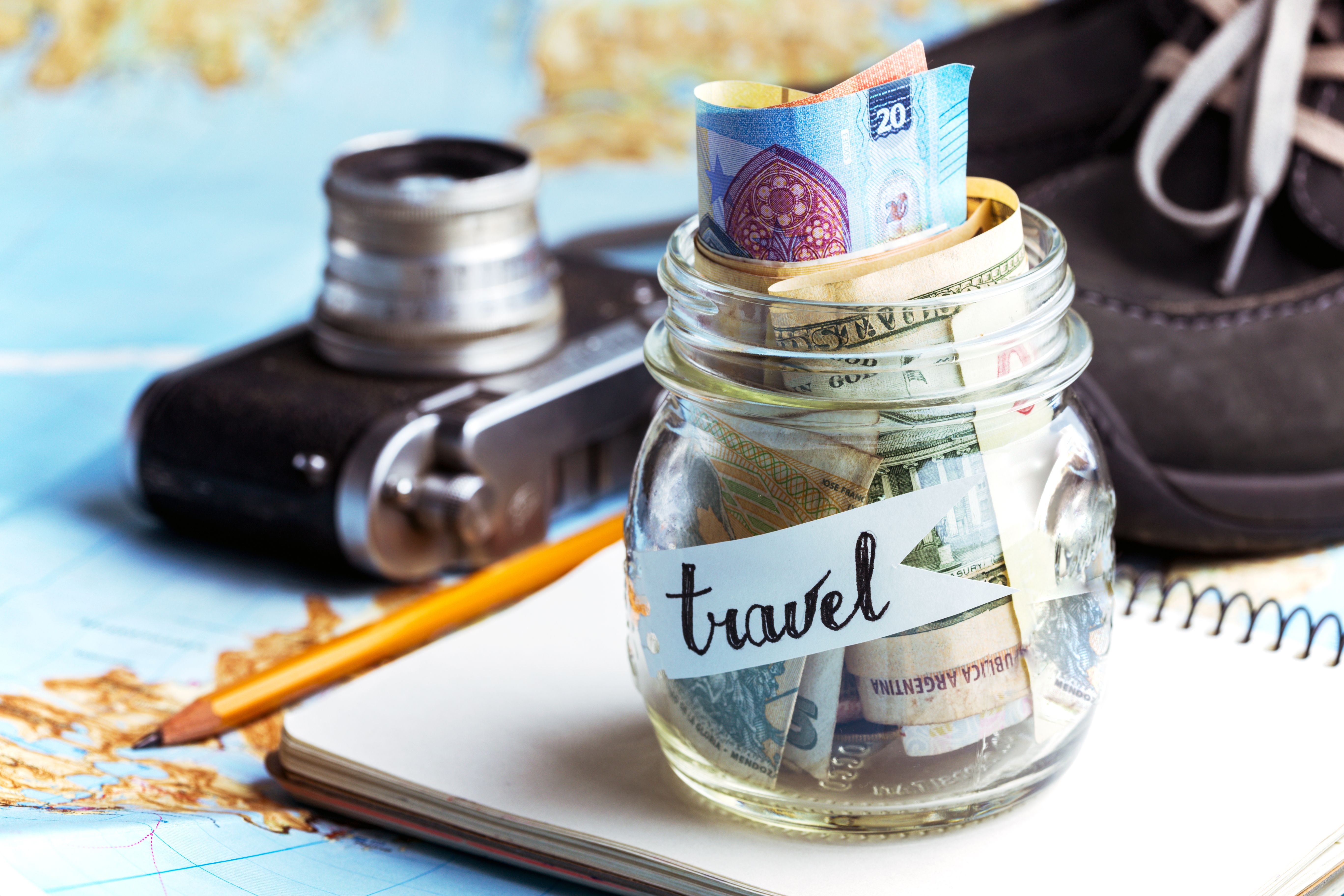
Imagine yourself waking up in a new European city every few days, the scent of fresh pastries and strong coffee filling the air. Picture exploring ancient ruins, vibrant markets, and stunning landscapes, all without emptying your bank account. Sounds impossible? It's not! I spent a summer backpacking across Europe, and I learned firsthand that you don't need to be rich to experience the magic of the continent.
Let's be honest, the idea of traversing Europe can conjure up images of overflowing expenses: pricey hotels, expensive restaurants, and constant transportation costs. It’s easy to get bogged down by budgeting worries, exchange rates, and the sheer number of “must-see” attractions, each vying for your hard-earned cash.
This blog post will serve as your guide to traveling across Europe without breaking the bank. I'll share my personal experiences, practical tips, and insider secrets to help you plan an unforgettable adventure, proving that travel doesn't have to be a luxury.
From budget-friendly accommodation options like hostels and Couchsurfing to utilizing affordable transportation methods such as buses and trains, I'll cover all the essential aspects of budget travel. I’ll also delve into free activities, cheap eats, and money-saving strategies to maximize your travel budget. Get ready to discover how to explore Europe on a shoestring, without sacrificing experiences or enjoyment. Keywords: Europe, travel, budget, backpacking, hostels, transportation, free activities, cheap eats, money-saving.
Planning Your Route and Budget
The first step in any budget trip is meticulous planning, and that's especially true when crossing multiple countries. My initial plan was ambitious: 10 countries in 30 days. However, reality quickly set in! I realized that trying to cram too much in would lead to increased transportation costs and less time to actually enjoy each place. I learned to prioritize destinations and allocate more time to fewer locations.
One crucial decision I made was investing in a Eurail pass. While it might seem expensive upfront, the freedom and flexibility it offered, coupled with the elimination of individual ticket purchases, saved me a significant amount of money in the long run. I also spent considerable time researching the cost of living in different cities. Eastern European cities like Budapest and Prague were significantly cheaper than Western European capitals like Paris and London, which heavily influenced my route. I adjusted my itinerary to spend more time in the east, allowing my budget to stretch further. Keywords: Eurail pass, route planning, travel budget, transportation costs, cost of living.
This allowed me to spend more time in each destination, immersing myself in the local culture and discovering hidden gems. It also helped me avoid the stress of constantly rushing from place to place. Remember, slow travel is often cheaper travel!
Accommodation: Hostels, Couchsurfing, and More
Accommodation is typically one of the biggest expenses when traveling. Fortunately, Europe offers a wealth of budget-friendly options. Hostels became my best friends. Not only are they significantly cheaper than hotels, but they also provide a fantastic opportunity to meet fellow travelers and share experiences. I made some lifelong friends in hostel common rooms, exchanging travel tips and even joining forces for day trips.
Couchsurfing was another game-changer. Staying with locals provided a unique cultural experience, allowing me to see cities through their eyes and gain insider knowledge. Plus, it's completely free! However, Couchsurfing requires careful planning and communication. Always read reviews thoroughly and make sure you feel comfortable with your host before committing. Other budget-friendly options include camping, Airbnb (look for private rooms rather than entire apartments), and even overnight buses or trains, which can save you on accommodation costs while you travel. Keywords: Hostels, Couchsurfing, budget accommodation, travel expenses, Airbnb, camping.
Remember to book in advance, especially during peak season. Prices tend to increase as availability decreases. Also, consider staying slightly outside of the city center, where accommodation is often cheaper and more peaceful.
Food: Eating Well on a Budget
Eating out at restaurants every day can quickly drain your travel budget. To save money on food, I adopted a combination of strategies. I frequented local markets and supermarkets, buying fresh produce and ingredients to cook my own meals. Many hostels have communal kitchens, making it easy to prepare simple and affordable dishes. I also embraced street food. Europe is packed with delicious and affordable street food options, from falafel in Berlin to pizza in Rome.
Another tip is to take advantage of free breakfast offered at many hostels. Filling up on a hearty breakfast can help you avoid snacking throughout the day. I also carried a reusable water bottle and refilled it whenever possible, avoiding the cost of buying bottled water. Be aware of tourist traps! Restaurants in popular tourist areas often charge inflated prices. Venture off the beaten path to find more authentic and affordable dining experiences. Keywords: Budget food, street food, local markets, cooking, reusable water bottle, tourist traps.
Don't be afraid to try new things! Europe is a culinary paradise, and exploring different cuisines is an integral part of the travel experience. Just do it without breaking the bank!
Transportation: Getting Around Affordably
As mentioned earlier, the Eurail pass was my primary mode of transportation. However, it's essential to compare the cost of a Eurail pass with individual train tickets, especially if you're only traveling to a few countries. For shorter distances, buses can be a significantly cheaper option. Companies like Flixbus offer extensive networks across Europe at very affordable prices.
Walking is also a great way to explore cities and save money. Many European cities are very walkable, and you'll often discover hidden gems that you would miss on public transportation. If you do need to use public transportation within a city, look for daily or weekly passes, which can be more cost-effective than buying individual tickets. Consider cycling! Many cities offer bike rental programs, providing a fun and affordable way to get around. Keywords: Eurail pass, bus travel, Flixbus, walking, public transportation, cycling, bike rental.
Always be aware of your surroundings and take precautions against pickpockets, especially on crowded buses and trains. Keep your valuables secure and be mindful of your belongings.
Free Activities and Attractions
One of the biggest misconceptions about traveling is that you need to spend a lot of money to have fun. Europe is overflowing with free activities and attractions. Many museums offer free admission on certain days or evenings. Take advantage of free walking tours, which are a great way to learn about the history and culture of a city. Explore parks and gardens, attend free concerts and festivals, and simply wander through the streets, soaking up the atmosphere.
Visit churches and cathedrals, many of which are free to enter. Hike in national parks, or find a scenic viewpoint for a breathtaking panorama. Pack a picnic and enjoy a meal outdoors. Research free events happening during your visit, such as art exhibitions or cultural performances. Remember, the best experiences are often the ones that cost nothing. Keywords: Free activities, free attractions, walking tours, museums, parks, churches, hiking.
Be creative and resourceful! Look for opportunities to experience Europe without spending a fortune. Talk to locals and ask for recommendations. They often know about hidden gems and local events that aren't advertised in guidebooks.
Money-Saving Tips and Tricks
Beyond the specific strategies mentioned above, here are some general money-saving tips that helped me stay within budget: Travel during the shoulder season (spring or fall) to avoid peak season prices. Book flights and accommodation in advance to secure better deals. Take advantage of student discounts, if applicable. Open a bank account with no foreign transaction fees. Use a travel credit card that earns rewards points or miles.
Set a daily budget and track your spending. Be flexible with your itinerary and adjust your plans as needed. Learn basic phrases in the local language, which can help you get better deals and connect with locals. Consider volunteering in exchange for accommodation and meals. Most importantly, be mindful of your spending and make conscious choices about how you allocate your resources. Keywords: Money-saving tips, travel budget, shoulder season, student discounts, travel credit card, volunteering.
Don't be afraid to haggle! In some countries, it's acceptable to negotiate prices, especially at markets and bazaars. However, always be respectful and polite.
Packing Light: A Budget Traveler's Best Friend
Packing light is essential for budget travel. Not only does it save you on baggage fees, but it also makes it easier to get around. I managed to fit everything I needed into a single backpack. Focus on versatile clothing items that can be mixed and matched. Pack layers so you can adapt to different weather conditions. Invest in a good pair of walking shoes. Bring a reusable shopping bag to avoid paying for plastic bags.
Pack essential toiletries in travel-sized containers. Leave unnecessary items at home. Remember, you can always buy things if you need them. A lighter bag means more freedom and flexibility, allowing you to easily navigate public transportation and explore cities on foot. It also reduces the risk of losing your luggage. Keywords: Packing light, travel backpack, versatile clothing, walking shoes, reusable shopping bag, baggage fees.
Don't forget essential travel documents, such as your passport, visa (if required), and travel insurance information. Keep digital copies of these documents in case of loss or theft.
Fun Facts About Budget Travel in Europe
Did you know that some European cities offer free bike rentals? In Copenhagen, for example, you can rent a city bike for free with a small deposit. Many European cities have extensive networks of free Wi-Fi hotspots, allowing you to stay connected without incurring data roaming charges. Several museums offer free admission on the first Sunday of every month. Couchsurfing has a global network of millions of hosts, providing free accommodation in almost every country in Europe.
The European Union has abolished roaming charges within the EU, meaning you can use your mobile phone without incurring extra fees. Many European countries have a thriving culture of street performers, providing free entertainment in public spaces. Exploring these fun facts is not only interesting but can also help you take advantage of opportunities to save money and enhance your travel experience. Keywords: Budget travel facts, free bike rentals, free Wi-Fi, free museum admission, Couchsurfing, roaming charges, street performers.
Europe is a continent of endless possibilities, and there's always something new to discover, even on a tight budget.
How to Stay Safe While Traveling on a Budget
Budget travel doesn't mean sacrificing safety. Be aware of your surroundings and avoid walking alone in poorly lit areas at night. Keep your valuables secure and be wary of pickpockets, especially in crowded tourist areas. Research scams and common tourist traps. Don't flash expensive jewelry or electronics. Be careful when using ATMs and avoid withdrawing large sums of cash.
Make copies of your passport, visa, and other important documents. Share your itinerary with family or friends. Purchase travel insurance to cover unexpected medical expenses or emergencies. Learn basic phrases in the local language to communicate with locals. Trust your instincts and avoid situations that make you feel uncomfortable. Most importantly, stay informed and be prepared. Keywords: Travel safety, pickpockets, scams, travel insurance, emergency preparedness, local customs.
By taking these precautions, you can ensure a safe and enjoyable travel experience, even on a tight budget.
What If My Budget Runs Out?
Even with careful planning, unexpected expenses can arise. Have a contingency plan in place. Save a small amount of emergency money in a separate account. Consider getting a credit card with a low interest rate and no foreign transaction fees. Look for opportunities to earn money while traveling, such as working in a hostel or teaching English. Reach out to family and friends for support.
Don't be afraid to adjust your itinerary or return home early if necessary. Remember, your safety and well-being are paramount. It's always better to err on the side of caution. Being prepared for financial emergencies can provide peace of mind and help you navigate unexpected challenges. Keywords: Travel emergencies, financial planning, emergency fund, credit card, working abroad.
Travel insurance can also provide financial assistance in case of medical emergencies or lost luggage.
Top 5 Ways to Save Money While Traveling Europe on a Budget
Here's a quick listicle of top 5 ways to save money while traveling across Europe on a budget: 1. Choose budget-friendly accommodations like hostels or Couchsurfing.
2. Cook your own meals whenever possible and eat street food.
3. Utilize affordable transportation options like buses and trains.
4. Take advantage of free activities and attractions.
5. Travel during the shoulder season to avoid peak season prices.
These simple strategies can help you significantly reduce your travel expenses and make your budget stretch further. Remember, every penny saved is a penny that can be used to explore more of Europe! Keywords: Money-saving strategies, budget travel tips, hostels, street food, affordable transportation, free activities, shoulder season.
By implementing these tips, you can travel smarter and experience more of what Europe has to offer without emptying your wallet.
Question and Answer Section
Q: Is it really possible to travel across Europe on a tight budget?
A: Absolutely! With careful planning, resourcefulness, and a willingness to embrace budget-friendly options, it's definitely possible to explore Europe without breaking the bank. It requires some sacrifices and compromises, but the rewards are well worth it.
Q: What's the biggest challenge of budget travel in Europe?
A: The biggest challenge is often balancing the desire to see and do everything with the need to stay within budget. Prioritization and flexibility are key.
Q: What are some essential items to pack for a budget trip to Europe?
A: A comfortable backpack, versatile clothing items, a good pair of walking shoes, a reusable water bottle, and essential toiletries in travel-sized containers.
Q: What's the best way to find budget-friendly accommodation?
A: Hostels and Couchsurfing are excellent options. Also, consider Airbnb (look for private rooms rather than entire apartments) and camping.
Conclusion of How I Travelled Across Europe on a Tight Budget
Traveling across Europe on a tight budget is an achievable dream, not a fantasy. It demands meticulous planning, a willingness to embrace alternative options, and a spirit of adventure. From strategically choosing your route and accommodation to savoring local markets and free activities, countless ways exist to cut costs without compromising the richness of your journey. By adopting the tips and tricks shared in this guide, you can unlock the wonders of Europe, create unforgettable memories, and prove that the best experiences don't always come with the highest price tag. So, pack your bags, embrace the challenge, and prepare for an incredible adventure across the diverse and captivating landscapes of Europe!
Post a Comment for "How I Travelled Across Europe on a Tight Budget"