Dreaming of fresh tomatoes, fragrant herbs, and vibrant flowers, but your apartment balcony is the size of a postage stamp? Or maybe your backyard is more "postage stamp" than "yard"? Don't let limited space limit your green thumb! There are ways to cultivate a flourishing garden, even when square footage is scarce.
It can be frustrating when you see beautiful gardens online and feel like you can't replicate them. The common advice often seems geared towards those with acres to spare, leaving apartment dwellers or those with small yards feeling left out. Figuring out what will actually thrive in a confined space, dealing with limited sunlight, and managing soil in containers can all feel like insurmountable challenges.
This blog post is your guide to unlocking the secrets of small-space gardening. We're diving deep into unconventional techniques and clever hacks that will transform your tiny area into a verdant oasis. Forget the limitations – embrace the possibilities!
We'll explore vertical gardening strategies, innovative container ideas, soil optimization techniques, companion planting for small spaces, and even how to maximize sunlight in shady areas. With these tips, you'll be amazed at what you can grow, no matter how limited your space. Get ready to unleash your inner gardener and cultivate the small-space garden of your dreams!
Vertical Gardening: Thinking Up, Not Out
Vertical gardening is truly a game-changer for those of us with limited ground space. I remember when I first moved into my city apartment, the tiny balcony felt incredibly limiting. I longed for a garden, but the idea seemed impossible. Then, I stumbled upon the concept of vertical gardening, and a whole new world opened up.
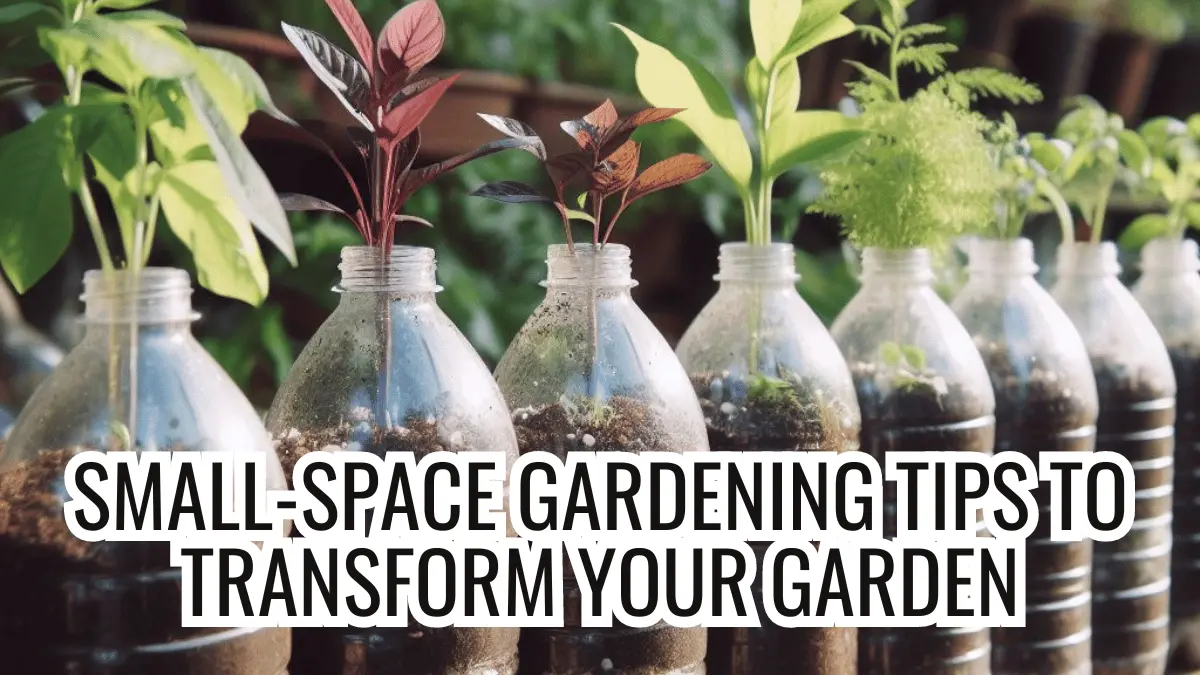
My first experiment was with a simple pallet garden. I lined the back of an old pallet with landscape fabric, filled the gaps with soil, and planted herbs like basil, mint, and parsley. It was incredible to see how much I could grow in such a small footprint! From there, I branched out to hanging planters, stacked pots, and even a DIY living wall using repurposed plastic bottles. The balcony transformed from a barren concrete slab into a lush, green sanctuary. The scent of herbs filled the air, and I had fresh ingredients readily available for cooking. It was a truly rewarding experience.
Vertical gardening isn't just about saving space; it's also about aesthetics. A well-designed vertical garden can add a stunning visual element to any area, whether it's a balcony, patio, or even an indoor wall. Plus, it's a great way to recycle and repurpose materials. Old ladders, bookshelves, and even shoe organizers can be transformed into unique and functional vertical gardens. When choosing plants for your vertical garden, consider factors like sunlight exposure, watering needs, and the overall aesthetic you're aiming for. Trailing plants like ivy and petunias look beautiful cascading down from hanging baskets, while herbs and vegetables thrive in stacked planters or vertical wall systems. With a little creativity and planning, you can create a vertical garden that's both beautiful and productive, even in the smallest of spaces.
Container Gardening Beyond the Basics
Container gardening is the bedrock of small-space success, but it’s easy to fall into a rut with standard pots. Think outside the terracotta! Consider repurposing items like old tires (painted, of course!), dresser drawers, or even sturdy shopping bags. These unconventional containers add a touch of personality to your garden and can be surprisingly effective. The key is ensuring proper drainage. Drill holes in the bottom of any container that doesn't already have them and add a layer of gravel or broken pottery to prevent the soil from becoming waterlogged. Don't limit yourself to traditional soil either. Explore soilless mixes like coco coir or perlite, which are lightweight and retain moisture well. These are especially beneficial for vertical gardens or containers that will be moved frequently. Consider fabric pots as well, which allow roots to breathe and prevent them from becoming root-bound.
The History and Myth of Companion Planting in Small Spaces
Companion planting, the practice of growing different plants together for mutual benefit, isn't just some New Age gardening fad; it has roots in ancient agricultural traditions. Indigenous cultures around the world have long understood the interconnectedness of plants and used this knowledge to create thriving, self-sustaining ecosystems. The "Three Sisters" planting method, where corn, beans, and squash are grown together, is a classic example of companion planting in action. The corn provides a trellis for the beans, the beans fix nitrogen in the soil, and the squash shades the ground, suppressing weeds and retaining moisture. This practice not only maximizes space but also creates a synergistic relationship between the plants.
The myths surrounding companion planting often focus on specific pairings and their purported benefits. For example, it's commonly believed that planting basil near tomatoes will improve their flavor and deter pests. While scientific evidence for some of these claims is limited, many gardeners swear by these traditional pairings. Whether it's based on folklore or scientific fact, companion planting can be a valuable tool for small-space gardeners. By carefully selecting plant combinations, you can create a mini-ecosystem that supports healthy growth, deters pests, and maximizes yields. Just remember to do your research and experiment to find what works best for your specific climate and growing conditions. Even if some of the myths turn out to be just that, the practice of companion planting can still lead to a more diverse and productive garden.
Unlocking the Secrets of Microclimates
Even in a small space, microclimates exist. These are small areas with slightly different environmental conditions than the surrounding area. Understanding and utilizing these microclimates can significantly impact your gardening success. For example, a south-facing wall will receive more sunlight and warmth than a north-facing one. This creates a warmer microclimate ideal for heat-loving plants like tomatoes and peppers. A sheltered corner might be protected from strong winds, making it a good spot for delicate herbs or flowers. Conversely, a windy area might be suitable for plants that tolerate drier conditions. Observe your space throughout the day and note where the sun shines, where the wind blows, and where moisture tends to accumulate. Use this information to strategically place your plants based on their individual needs. You can even create your own microclimates by using trellises to provide shade, building windbreaks with shrubs or fences, or mulching to retain moisture. By understanding and manipulating these small variations in your environment, you can create a diverse and thriving garden, even in the most challenging of spaces.
Recommendations of Best Soil Types for Containers
Choosing the right soil for your container garden is crucial for success. Unlike garden soil, which is often too dense and poorly drained for containers, a good potting mix should be lightweight, well-draining, and provide adequate nutrients for your plants. There are many commercially available potting mixes to choose from, but you can also create your own custom blends to suit your specific needs. A basic potting mix might consist of equal parts peat moss, perlite, and vermiculite. Peat moss retains moisture, perlite provides aeration, and vermiculite helps with drainage and nutrient retention. For vegetables and herbs, you can add compost or aged manure to provide additional nutrients. For succulents and cacti, a sandier mix with less organic matter is ideal. Consider also using soilless mixes like coco coir, which is a sustainable alternative to peat moss. Coco coir is made from coconut husks and has excellent water-holding capacity and aeration. It's also p H neutral, which is beneficial for many plants. Remember to amend your potting mix regularly with compost or fertilizer to replenish nutrients as they are used by your plants. With the right soil blend, your container garden will thrive and produce abundant harvests.
Maximizing Sunlight in Shady Areas
Don't despair if your small space is shrouded in shade! There are plenty of plants that thrive in low-light conditions. Hostas, ferns, and impatiens are classic choices for shady gardens. But don't limit yourself to just foliage plants. Many herbs, such as mint, parsley, and cilantro, also tolerate partial shade. You can also try growing vegetables like lettuce, spinach, and kale in shadier spots. To maximize sunlight in shady areas, consider using reflective surfaces. White walls, mirrors, or even sheets of aluminum foil can help to bounce light onto your plants. You can also prune back any overhanging branches that are blocking sunlight. Another trick is to elevate your plants on stands or shelves to bring them closer to the light. Remember to adjust your watering schedule for shady areas, as the soil will dry out more slowly. With a little creativity and planning, you can create a beautiful and productive garden, even in the shadiest of spaces.
Clever Irrigation Solutions for Tiny Gardens
Watering can be a challenge in small-space gardens, especially during hot weather. Overwatering can lead to root rot, while underwatering can cause plants to wilt and die. The key is to find a watering system that provides consistent moisture without overdoing it. Drip irrigation is an excellent option for container gardens. It delivers water directly to the roots of the plants, minimizing water waste and reducing the risk of fungal diseases. You can purchase drip irrigation kits specifically designed for container gardens, or you can create your own using repurposed materials like plastic bottles and tubing. Self-watering planters are another convenient option. These planters have a reservoir at the bottom that gradually releases water to the soil as needed. This is especially helpful if you tend to forget to water your plants or if you're going away on vacation. When hand-watering, be sure to water deeply and thoroughly, allowing the water to soak into the soil. Avoid watering the foliage, as this can encourage fungal growth. The best time to water is in the morning, so the plants have time to dry out before nightfall. With the right irrigation system, you can keep your small-space garden healthy and thriving, even in the driest of conditions.
Seed Starting Indoors: Get a Head Start
Extending your growing season is crucial in small-space gardening, and seed starting indoors is the perfect way to do it. By starting your seeds indoors several weeks before the last frost, you can give your plants a head start and ensure a longer harvest. You don't need a fancy setup to start seeds indoors. A simple seed tray, some potting mix, and a sunny windowsill are all you need to get started. You can also use grow lights to provide supplemental light, especially if you don't have a sunny window. When choosing seeds, select varieties that are well-suited for container gardening and your local climate. Start your seeds in small containers or seed starting trays. Keep the soil moist but not soggy. Once the seedlings have developed a few sets of true leaves, you can transplant them into larger pots or directly into your outdoor containers. Be sure to harden off the seedlings gradually before transplanting them outdoors, by exposing them to increasing amounts of sunlight and fresh air each day. With a little planning and effort, seed starting indoors can significantly increase your yields and extend your growing season.
Fun Facts About Miniature Gardening
Did you know that miniature gardening has a long and fascinating history? It dates back to ancient Japan, where the art of bonsai (growing miniature trees in containers) has been practiced for centuries. Miniature gardening is not just about growing small plants; it's about creating entire miniature landscapes, complete with tiny houses, pathways, and other accessories. These miniature gardens can be incredibly detailed and imaginative, showcasing the creativity and skill of the gardener. Miniature gardening is also a great way to engage children in gardening and teach them about the natural world. They can help with planting, watering, and designing the miniature landscapes. It's a fun and educational activity that the whole family can enjoy. Miniature gardens can be created in a wide variety of containers, from teacups and terracotta pots to old wagons and birdbaths. The possibilities are endless! So, let your imagination run wild and create your own magical miniature garden.
How to Choose the Right Plants for Your Space
Choosing the right plants is the cornerstone of a successful small-space garden. Consider your available sunlight. Is your space sunny, shady, or somewhere in between? Select plants that thrive in those conditions. Research the mature size of the plants you're considering. You don't want to choose a plant that will quickly outgrow its container or overcrowd your space. Think about your climate and choose plants that are hardy in your region. You can find this information on plant tags or by consulting your local cooperative extension office. Consider your personal preferences. What kind of plants do you enjoy growing? Do you prefer flowers, herbs, vegetables, or a combination of all three? Choose plants that you'll be excited to care for. Companion planting is another important factor to consider. Some plants benefit from being grown together, while others can inhibit each other's growth. Do your research and choose plant combinations that will support healthy growth and deter pests. Finally, don't be afraid to experiment! Try new plants and see what works best in your space. Gardening is a learning process, and you'll discover new things along the way.
What if My Small Space is on a Balcony?
Balcony gardening presents its own unique set of challenges and opportunities. Wind can be a major factor, as balconies are often exposed to strong gusts. Choose plants that are wind-resistant or provide them with protection using screens or trellises. Weight is another important consideration. Avoid using heavy containers that could overload your balcony. Opt for lightweight plastic or resin pots instead. Sunlight can also be an issue, as balconies may be shaded by buildings or other structures. Choose plants that tolerate partial shade or provide them with supplemental light. Privacy is another concern for many balcony gardeners. Use tall plants or trellises to create a natural screen and block out unwanted views. Watering can be tricky on a balcony, as excess water can drip onto the balconies below. Use saucers under your pots to catch any excess water and avoid overwatering. Finally, be sure to check your building's rules and regulations regarding balcony gardening. Some buildings may have restrictions on the types of plants you can grow or the size of your containers. By addressing these challenges, you can create a beautiful and thriving balcony garden, even in the most urban of environments.
Listicle: 7 Essential Tools for Small-Space Gardening
1.Hand Trowel: A versatile tool for planting, transplanting, and digging small holes.
2.Hand Rake: Perfect for smoothing soil, removing debris, and spreading mulch.
3.Pruning Shears: Essential for trimming plants, removing dead leaves, and harvesting herbs.
4.Watering Can: Choose a watering can with a long spout for easy watering of containers.
5.Garden Gloves: Protect your hands from dirt, thorns, and potential irritants.
6.Soil Scoop: Use a soil scoop to easily transfer soil from bags to containers.
7.Spray Bottle: Ideal for misting plants and controlling pests with organic solutions.
Question and Answer About Small-Space Gardening Tips You Haven’t Tried
Q: What are the best vegetables to grow in a small space?
A: Compact varieties of tomatoes, peppers, cucumbers, and lettuce are excellent choices. Bush beans and radishes also thrive in containers.
Q: How can I deter pests in my small-space garden?
A: Companion planting with pest-repelling herbs like basil and marigolds can help. You can also use organic pest control solutions like neem oil or insecticidal soap.
Q: What's the best way to fertilize my container garden?
A: Use a slow-release fertilizer or liquid fertilizer specifically formulated for container plants. Follow the instructions on the label and avoid over-fertilizing.
Q: How often should I water my small-space garden?
A: Water when the top inch of soil feels dry to the touch. The frequency of watering will depend on the weather, the type of plants you're growing, and the type of containers you're using.
Conclusion of Small-Space Gardening Tips You Haven’t Tried
Small-space gardening is all about creativity, resourcefulness, and a willingness to experiment. By embracing unconventional techniques, utilizing vertical space, optimizing soil, and choosing the right plants, you can transform even the tiniest area into a thriving garden oasis. Don't let limited space limit your gardening dreams – get out there and start growing!
Post a Comment for "Small-Space Gardening Tips You Haven’t Tried"