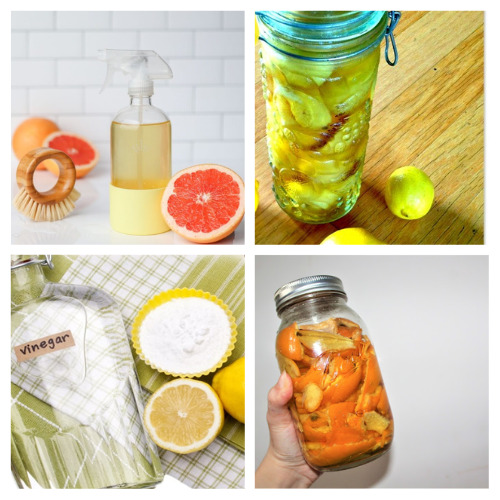
Okay, you're ready to ditch the harsh chemicals and embrace the world of DIY cleaning. Fantastic! You’re imagining a sparkling clean home, achieved with simple, natural ingredients. But then…the vinegar. That pungent smell lingers, clinging to surfaces and making your nose wrinkle. Is a fresh-smelling, naturally clean home just a pipe dream?
Many of us have ventured into homemade cleaning, drawn by the allure of eco-friendliness and cost savings. We envision a pristine space, free from toxic fumes. However, the reality can be less appealing. The overpowering scent of vinegar, a staple in many DIY recipes, can be a significant deterrent. It can be especially problematic for those with sensitivities or who simply dislike the aroma.
This guide is for anyone who wants to create effective, natural cleaning solutions without the tell-tale vinegar tang. We'll explore a variety of alternative ingredients and recipes that are just as powerful, but leave your home smelling fresh and inviting. Get ready to unlock the secrets to a clean and pleasant-smelling home, naturally!
We'll explore alternatives like lemon juice, baking soda, essential oils, and castile soap, showcasing their cleaning properties and how to combine them for various household tasks. You'll discover recipes for all-purpose cleaners, bathroom scrubs, and even laundry solutions, all designed to leave your home clean, fresh, and vinegar-free. Get ready to transform your cleaning routine!
Lemon Power: A Zesty Alternative
Lemon juice is a fantastic alternative to vinegar, and its target is anyone who wants to naturally disinfect and deodorize surfaces while enjoying a refreshing citrus scent. I remember when I first started experimenting with homemade cleaners, the vinegar smell was the biggest hurdle. My family would complain for hours after I cleaned the kitchen! That's when I started exploring lemon juice. I was amazed at how well it cut through grease and grime, especially in the bathroom. The best part? The lingering scent was bright and cheerful, instead of harsh and vinegary.
Lemon juice contains citric acid, a natural disinfectant and antibacterial agent. It's excellent for cleaning surfaces like countertops, sinks, and cutting boards. Plus, it's a natural deodorizer, helping to eliminate unpleasant odors. To create a simple lemon cleaner, mix equal parts lemon juice and water in a spray bottle. You can also add a few drops of your favorite essential oil for an extra boost of fragrance. For tougher cleaning jobs, like removing soap scum, use undiluted lemon juice and let it sit for a few minutes before scrubbing. Just remember to avoid using lemon juice on porous surfaces like marble, as the acidity can damage them. The beauty of lemon juice is its versatility and pleasant aroma, making it a much more appealing option than vinegar for many cleaning tasks.
Baking Soda: The Unsung Hero
Baking soda is a versatile and gentle abrasive, and its target is anyone who wants a natural, non-toxic way to scrub away grime and deodorize. Beyond its baking uses, baking soda is a powerhouse when it comes to cleaning. It's a mild alkali, meaning it can dissolve dirt and grease. It also acts as a natural deodorizer, absorbing unpleasant smells instead of just masking them. For a simple cleaning paste, mix baking soda with a little water until you achieve the desired consistency. This paste is perfect for scrubbing sinks, bathtubs, and even oven interiors. You can also sprinkle baking soda directly onto surfaces like carpets or mattresses to absorb odors, letting it sit for a few hours before vacuuming.
Another great use for baking soda is unclogging drains. Pour a cup of baking soda down the drain, followed by a cup of hot water. Let it sit for about 30 minutes, then flush with more hot water. For a more powerful drain cleaner, add half a cup of vinegar after the baking soda, but be careful as this will create a fizzing reaction. Baking soda's gentle abrasive properties make it safe for most surfaces, but it's always a good idea to test it in an inconspicuous area first. Its odor-absorbing qualities and versatility make it an essential ingredient in any DIY cleaning arsenal.
The History and Myths of Natural Cleaning
The history of natural cleaning is long and fascinating, and its target is anyone who is curious about the origins of eco-friendly cleaning practices. Long before harsh chemicals filled our store shelves, people relied on readily available natural ingredients to keep their homes clean. Ancient civilizations used things like ashes, herbs, and citrus fruits to disinfect and deodorize their living spaces. Baking soda, also known as sodium bicarbonate, has been used for centuries for both cleaning and medicinal purposes. These methods were passed down through generations, often accompanied by folklore and traditional remedies.
One common myth is that natural cleaners are less effective than their chemical counterparts. However, with the right ingredients and techniques, natural cleaners can be just as powerful. The key is understanding the properties of each ingredient and how they work together to break down dirt, grease, and bacteria. Another myth is that all natural cleaners are safe for all surfaces. While many natural ingredients are gentle, some, like lemon juice and vinegar, can damage certain materials like marble or granite. It's always important to do your research and test any new cleaner in an inconspicuous area first. By dispelling these myths and understanding the history behind natural cleaning, we can appreciate the effectiveness and sustainability of these time-tested methods.
Unlocking the Hidden Secrets of Essential Oils
The secret of essential oils lies in their potent aromatic and antimicrobial properties, and their target is anyone who wants to add a natural fragrance and disinfecting power to their cleaning routine. Essential oils are concentrated plant extracts that have been used for centuries for their therapeutic and aromatic benefits. But did you know they can also be powerful cleaning agents? Many essential oils possess antimicrobial, antibacterial, and antifungal properties, making them excellent for disinfecting surfaces and eliminating odors.
For example, tea tree oil is a well-known antibacterial and antifungal agent, perfect for cleaning bathrooms and kitchens. Lavender oil has antiseptic and anti-inflammatory properties, making it a great addition to all-purpose cleaners. Lemon and orange oils are excellent degreasers and can help to remove stubborn stains. When using essential oils in cleaning, it's important to dilute them properly, as they are highly concentrated and can irritate the skin or damage certain surfaces. A general rule of thumb is to use 10-20 drops of essential oil per cup of water or other liquid base. You can also combine different essential oils to create your own custom blends, tailoring the scent and cleaning power to your specific needs. By understanding the unique properties of each essential oil, you can unlock their hidden secrets and create truly effective and fragrant cleaning solutions.
Recommended DIY Cleaner Recipes (Vinegar-Free!)
These recipes are recommended for anyone who wants to make their own cleaning products. Creating your own cleaning products is easier than you might think! Here are a few tried-and-true recipes that ditch the vinegar and still pack a powerful cleaning punch:
All-Purpose Citrus Cleaner: In a spray bottle, combine 1 cup of water, 1/4 cup of rubbing alcohol (isopropyl alcohol), 10 drops of lemon essential oil, and 10 drops of orange essential oil. Shake well before each use. This cleaner is great for countertops, sinks, and other hard surfaces.
Bathroom Scrub: Mix 1/2 cup of baking soda with 1/4 cup of castile soap and 5 drops of tea tree essential oil. Apply the paste to bathroom surfaces like tiles, bathtubs, and sinks, and scrub with a sponge or brush. Rinse thoroughly with water.
Laundry Booster: Add 1/2 cup of baking soda to your washing machine along with your regular detergent. This will help to brighten whites and remove odors.
Glass Cleaner: Mix 1 cup of water with 1/4 cup of rubbing alcohol and 1 tablespoon of cornstarch. Pour into a spray bottle and shake well. Spray onto glass surfaces and wipe clean with a microfiber cloth. These recipes are just a starting point. Feel free to experiment with different ingredients and essential oil blends to create your own custom cleaning solutions that work best for your home and preferences. Always remember to label your homemade cleaners clearly and store them out of reach of children and pets.
The Science Behind Natural Cleaning Ingredients
Understanding the science behind natural cleaning ingredients helps you choose the right tools for the job, and this knowledge is targeted to anyone who wants to know why natural cleaners work. It's not just about avoiding chemicals; it's about harnessing the power of nature. Many natural ingredients have unique chemical properties that make them effective cleaners. For instance, citric acid in lemon juice is a natural disinfectant and can dissolve mineral deposits. Baking soda, an alkaline substance, can neutralize acids and lift dirt. Essential oils contain volatile organic compounds (VOCs) that possess antimicrobial and antifungal properties.
Understanding the p H scale is also important. Acids, like lemon juice, have a low p H and are effective at removing hard water stains and soap scum. Alkalis, like baking soda, have a high p H and are good at dissolving grease and grime. By understanding these chemical properties, you can create cleaning solutions that are specifically tailored to the task at hand. For example, a mixture of lemon juice and baking soda can create a powerful fizzing action that can loosen stubborn stains and unclog drains. When choosing natural cleaning ingredients, consider their p H level, their chemical properties, and how they interact with other ingredients. This will help you create effective and safe cleaning solutions that are tailored to your specific needs.
Essential Tips for Successful DIY Cleaning
These tips are aimed at anyone who wants to get the most out of their homemade cleaning products. To maximize the effectiveness of your homemade cleaners, here are a few essential tips to keep in mind:
Use Quality Ingredients: The quality of your ingredients will directly impact the effectiveness of your cleaners. Opt for pure essential oils, filtered water, and high-quality baking soda and castile soap.
Test Before You Clean: Always test your cleaners in an inconspicuous area first to ensure they don't damage the surface. This is especially important for delicate materials like marble or wood.
Proper Storage: Store your homemade cleaners in airtight containers and label them clearly. Keep them out of reach of children and pets.
Mix Only What You Need: Homemade cleaners don't typically contain preservatives, so it's best to mix only what you'll use within a few weeks to prevent spoilage.
Embrace the Power of Elbow Grease: While natural cleaners are effective, they may require a little more elbow grease than their chemical counterparts. Don't be afraid to scrub!
Don't Mix Ingredients without Research: Be careful not to mix ingredients that could react negatively, such as mixing vinegar with bleach (which you shouldn't be using anyway!).
Safety First: Precautions to Take
Safety is paramount when crafting your own cleaning solutions, and this is important information for anyone diving into DIY cleaning. While natural cleaning ingredients are generally safer than harsh chemicals, it's still important to take precautions. Always wear gloves when handling cleaning solutions, especially if you have sensitive skin. Avoid getting cleaners in your eyes, and if you do, rinse immediately with plenty of water.
When working with essential oils, be sure to dilute them properly, as they can irritate the skin if used undiluted. Avoid using essential oils around pets, as some can be toxic to animals. Never mix bleach with other cleaning agents, as this can create dangerous fumes. Always store your homemade cleaners in clearly labeled containers and keep them out of reach of children and pets. When in doubt, consult with a professional cleaner or a healthcare provider for advice on safe cleaning practices. By taking these precautions, you can enjoy the benefits of natural cleaning while minimizing any potential risks. Remember, a clean home should also be a safe home.
Fun Facts About Natural Cleaning
These fun facts about natural cleaning are for those who love trivia and appreciate the history of cleaning practices. Did you know that Cleopatra reportedly used sour milk to cleanse her skin? Or that the ancient Egyptians used natron, a naturally occurring salt, as a cleaning agent? These are just a few examples of how natural ingredients have been used for cleaning and hygiene throughout history.
Here's another fun fact: the term "clean as a whistle" originated in the 1800s, referring to the pure, clear sound of a whistle that had been thoroughly cleaned. And speaking of whistles, did you know that you can clean your tea kettle by boiling water with lemon slices inside? The citric acid will help to remove mineral deposits and leave your kettle sparkling clean. Natural cleaning is not only effective, but it's also steeped in history and tradition. By learning more about the origins of these practices, we can appreciate the ingenuity of our ancestors and the power of simple, natural ingredients.
How to Make Your Own Scented Cleaning Wipes
Making your own scented cleaning wipes is a great way to avoid harsh chemicals, and this guide is for anyone who wants a convenient and eco-friendly cleaning option. Store-bought cleaning wipes can be convenient, but they often contain harsh chemicals and contribute to landfill waste. Luckily, it's easy to make your own scented cleaning wipes using just a few simple ingredients.
You'll need a roll of paper towels (cut in half), a container with a lid, water, rubbing alcohol, and your favorite essential oils. In a bowl, combine 1 cup of water, 1/4 cup of rubbing alcohol, and 10-15 drops of essential oils. Fold the paper towels in half and place them in the container. Pour the liquid mixture over the paper towels, making sure they are evenly saturated. Close the lid tightly and let the wipes sit for a few minutes to absorb the liquid. When you're ready to use a wipe, simply pull one from the center of the roll. These homemade cleaning wipes are perfect for wiping down countertops, sinks, and other hard surfaces. They're also a great eco-friendly alternative to disposable wipes, as you can simply toss the used paper towels in the compost bin.
What If My DIY Cleaner Doesn't Work?
This advice is for anyone who has tried DIY cleaning and experienced less-than-perfect results. Sometimes, despite our best efforts, our DIY cleaners just don't seem to be cutting it. If you find that your homemade cleaner isn't working as well as you'd hoped, don't give up! There are several factors that could be contributing to the problem.
First, consider the type of dirt or grime you're trying to remove. Some stains and messes require more specialized cleaning solutions. For example, grease may require a stronger degreaser, while mold may require a disinfectant. Second, make sure you're using the right technique. Sometimes, a little extra elbow grease is all you need. Third, check the expiration dates of your ingredients. Baking soda, for example, can lose its effectiveness over time. Finally, don't be afraid to experiment with different recipes and ingredients. What works for one person may not work for another. By troubleshooting your DIY cleaning efforts, you can fine-tune your recipes and techniques to achieve the best possible results.
Top 5 DIY Cleaning Recipes That Banish Vinegar Smells
This listicle is for anyone looking for quick and easy vinegar-free cleaning recipes. Ready to ditch the vinegar smell for good? Here are five top-rated DIY cleaning recipes that will leave your home sparkling clean and smelling fresh:
- Lemon & Rosemary All-Purpose Cleaner: Combine water, lemon juice, rosemary essential oil, and a touch of castile soap for a refreshing and effective cleaner.
- Baking Soda & Lavender Scrub: Create a paste of baking soda and lavender essential oil for a gentle yet powerful scrub for sinks and bathtubs.
- Orange & Tea Tree Disinfectant Spray: Mix water, rubbing alcohol, orange essential oil, and tea tree essential oil for a potent disinfectant spray.
- Eucalyptus & Peppermint Floor Cleaner: Combine water, castile soap, eucalyptus essential oil, and peppermint essential oil for a refreshing floor cleaner.
- Citrus & Cinnamon Furniture Polish: Mix olive oil, lemon juice, orange essential oil, and cinnamon essential oil for a natural furniture polish that will leave your wood surfaces gleaming.
Question and Answer About DIY Cleaners That Don’t Smell Like Vinegar
Q: Can I use essential oils on all surfaces?
A: No, some essential oils can damage certain surfaces. Always test in an inconspicuous area first, especially on delicate materials like marble or wood.
Q: How long do homemade cleaners last?
A: Homemade cleaners typically last for a few weeks to a few months, depending on the ingredients. Store them in airtight containers and label them clearly.
Q: Are natural cleaners safe for pets?
A: While many natural ingredients are safe, some essential oils can be toxic to pets. Research the safety of each ingredient before using it around your furry friends.
Q: Can I mix different essential oils in my cleaners?
A: Yes, you can combine different essential oils to create custom blends. Experiment with different combinations to find your favorite scents and cleaning properties.
Conclusion of DIY Cleaners That Don’t Smell Like Vinegar
So, there you have it! You don't have to sacrifice a pleasant-smelling home to embrace natural cleaning. By ditching the vinegar and exploring the power of lemon juice, baking soda, essential oils, and other natural ingredients, you can create effective and fragrant cleaning solutions that are both good for your home and good for the environment. Experiment with different recipes, find your favorite combinations, and enjoy the satisfaction of knowing that you're cleaning your home in a safe and sustainable way.
Post a Comment for "DIY Cleaners That Don’t Smell Like Vinegar"