Feeling overwhelmed? Like youshouldbe taking care of yourself, but the thought of elaborate routines just adds to the stress? You're not alone. We all crave that feeling of centeredness and calm, but let's be honest, who has hours to dedicate to self-care every single day?
The pressure to achieve peak wellness can be ironically exhausting. We see influencers doing elaborate skincare routines, attending hours-long yoga classes, and preparing gourmet healthy meals. It feels like self-care is a full-time job in itself, and that can leave us feeling even more inadequate than before we started.
This guide is for the busy folks who want to weave moments of peace and rejuvenation into their already packed schedules. We're diving into simple, effective self-care habits that require minimal time investment but offer maximum impact. Think moments, not marathons.
Get ready to discover quick and easy ways to nourish your mind, body, and soul. We'll explore practices like mindful breathing, gratitude journaling, and mini movement breaks, all designed to fit seamlessly into your daily life. These small acts of self-compassion can add up to big improvements in your overall well-being, leaving you feeling refreshed, recharged, and ready to tackle whatever comes your way. No hours required!
Embrace the Power of Micro-Moments
I remember a time when I felt completely burnt out. Work was demanding, my personal life was chaotic, and the idea of adding anything else to my plate felt impossible. I knew I needed to do something for myself, but even the thought of a 30-minute yoga class seemed overwhelming. Then, I stumbled upon the concept of "micro-moments" of self-care. Instead of trying to carve out huge chunks of time, I started incorporating tiny habits into my day. It began with just one minute of deep breathing in the morning before I even got out of bed. Then, I added a short walk during my lunch break, focusing on the sights and sounds around me. Before long, these little moments had a profound impact. I felt more grounded, less stressed, and more present in my daily life. I had learned that self-care doesn't need to be a grand gesture; it can be a series of small, intentional acts that add up to a significant difference. The key is to find what works for you and to weave it into the fabric of your day. These micro-moments can be anything from savoring your morning coffee to sending a kind text to a friend. The important thing is that they are intentional, restorative, and tailored to your needs. Prioritizing mental health and emotional wellbeing. Self-care is a gift you give yourself, and it's a gift that keeps on giving.
What are Self-Care Habits That Don't Take Hours?
Self-care habits that don't take hours are essentially bite-sized activities you can integrate into your daily routine that promote well-being without requiring a significant time commitment. They are designed to be easily accessible, manageable, and sustainable, allowing you to prioritize your mental, emotional, and physical health even when you're short on time. Think of them as small deposits you make into your self-care "bank account" throughout the day. Examples include taking a few deep breaths, stretching at your desk, listening to a calming song, or writing down a few things you're grateful for. These actions can help reduce stress, improve mood, boost energy levels, and enhance overall quality of life. The beauty of these habits is their flexibility; you can customize them to fit your individual needs and preferences. They can be adjusted based on your schedule, energy levels, and current circumstances. Self-care isn't selfish; it's essential. When you take care of yourself, you're better equipped to handle challenges, maintain healthy relationships, and pursue your goals with energy and enthusiasm. It's about recognizing your worth and prioritizing your well-being, even amidst a busy and demanding life. It’s the ability to recharge in short bursts, ensuring you have the reserves to handle whatever life throws at you. These moments of intentional care contribute to a more balanced and fulfilling life. Self-compassion is at the heart of effective self-care, empowering you to treat yourself with kindness and understanding.
The History and Myths Surrounding Quick Self-Care
The concept of self-care, while seemingly modern, has roots in ancient philosophies and practices. Eastern traditions like yoga and meditation have long emphasized the importance of inner peace and well-being, while Western thinkers have also recognized the value of self-reflection and personal growth. However, the modern understanding of self-care has often been intertwined with consumerism and the idea that it requires expensive products or elaborate treatments. This has led to several myths surrounding quick self-care. One common myth is that it's not "real" self-care if it doesn't take a lot of time or effort. Another myth is that it's selfish or indulgent to prioritize your own needs, especially when you have other responsibilities. A third myth is that self-care is a one-size-fits-all solution, and that you need to follow specific routines or rituals to achieve its benefits. In reality, quick self-care can be incredibly effective, as long as it's intentional and tailored to your individual needs. It's not about escaping reality or ignoring your responsibilities; it's about finding small ways to nourish your mind, body, and soul so that you can better handle the demands of your life. It is essential to debunk the misconception that self-care is synonymous with luxury. These are simple, sustainable practices that enhance daily life. Embrace the power of personalized self-care, understanding that what works for one person may not work for another. It's a journey of self-discovery, finding the routines and habits that resonate with your unique needs and preferences. Self-awareness plays a crucial role in determining the effectiveness of your self-care practices, ensuring they align with your current emotional and physical state.
The Hidden Secret to Effective Short Self-Care Habits
The hidden secret to effective short self-care habits lies in the power of intentionality and consistency. It's not enough to simply go through the motions; you need to be fully present and engaged in the activity, even if it only lasts for a few minutes. This means putting away distractions, focusing on your senses, and allowing yourself to fully experience the moment. Consistency is also key. While sporadic acts of self-care can provide temporary relief, the real benefits come from making these habits a regular part of your daily routine. The compounding effect of these daily acts is transformative. Even a few minutes of mindful breathing each day can significantly reduce stress and improve your overall well-being over time. Another often-overlooked secret is the importance of self-compassion. It's easy to fall into the trap of self-criticism and judgment, especially when you're feeling overwhelmed or stressed. The more you show yourself kindness and understanding, the more you will be able to incorporate these habits into your life. Remember that self-care is not a luxury; it's a necessity. When you prioritize your well-being, you're not only benefiting yourself, but also everyone around you. You are more effective at work, a better partner, and a more supportive friend. Embracing the simplicity of short self-care habits, prioritizing small, consistent actions that accumulate into profound well-being improvements. Building healthy habits is a process that requires patience and understanding of your unique needs and preferences. Self-acceptance is also a critical component, allowing you to appreciate yourself and your efforts, even when you face challenges.
Recommendations for Quick and Easy Self-Care
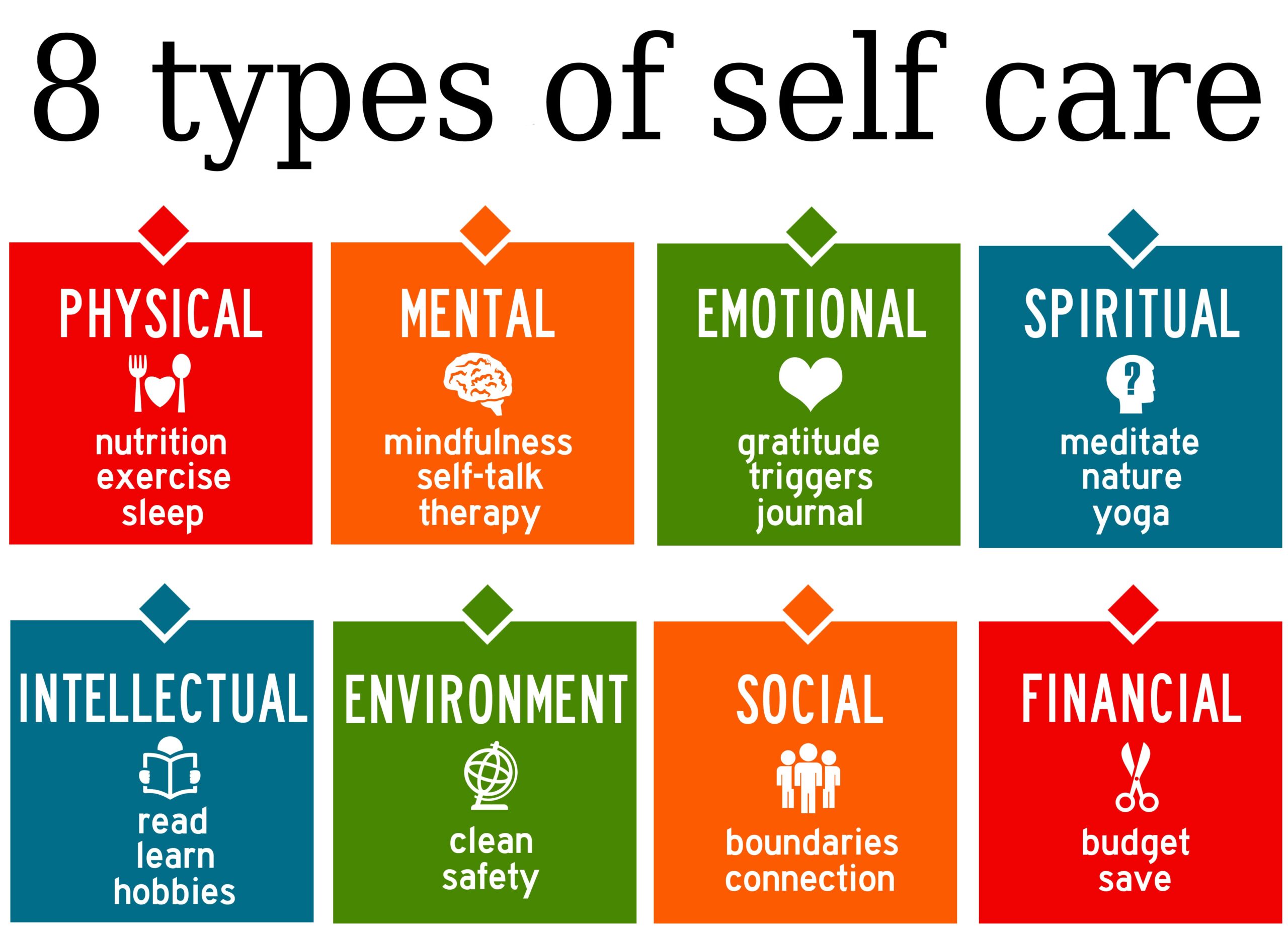
Here are some recommendations for quick and easy self-care habits you can incorporate into your daily routine: Start with mindful breathing. Taking just a few minutes to focus on your breath can help calm your mind and reduce stress. Try the 4-7-8 technique: inhale for 4 seconds, hold your breath for 7 seconds, and exhale for 8 seconds. Get a quick stretch or movement break. Stand up from your desk every hour and do some simple stretches, or go for a short walk. Movement helps release tension and boost energy levels. Express gratitude. Take a moment to write down a few things you're grateful for. This can help shift your focus to the positive aspects of your life. Engage your senses. Light a scented candle, listen to your favorite music, or savor a cup of tea. Engaging your senses can help you relax and feel more present. Practice mindfulness. Pay attention to the present moment without judgment. Notice your thoughts, feelings, and sensations without getting carried away. Connect with nature. Spend a few minutes outside, even if it's just sitting on your porch or looking out a window. Nature has a calming and restorative effect. Digital detox. Set aside some time each day to disconnect from technology. Turn off your phone, computer, and TV, and give yourself a break from the constant stimulation. Incorporate these habits into your routine gradually, starting with just one or two and adding more as you become comfortable. Remember, the goal is to find what works best for you and to make self-care a sustainable part of your life. Prioritizing relaxation techniques can have a profound effect on your stress levels and overall wellbeing. The ability to adapt these practices to your individual needs and preferences is the key to long-term success. Seeking support from friends, family, or a therapist can also be beneficial in maintaining consistent self-care habits.
Mindful Breathing Exercises
Mindful breathing exercises are a cornerstone of quick self-care, offering a powerful way to calm the nervous system and promote relaxation in just a few minutes. These exercises involve focusing your attention on your breath, noticing the sensation of each inhale and exhale without judgment. There are various techniques you can try, such as deep belly breathing, alternate nostril breathing, or box breathing. The 4-7-8 technique, mentioned earlier, is also a simple and effective option. When practicing mindful breathing, find a quiet place where you won't be disturbed. Close your eyes or soften your gaze, and gently bring your attention to your breath. Notice the rise and fall of your chest or abdomen, the sensation of air entering and leaving your nostrils, and the subtle changes in your body as you breathe. If your mind wanders, gently guide your attention back to your breath. There is no need to force anything; simply observe your breath with curiosity and acceptance. Mindful breathing exercises can be done anytime, anywhere. You can practice them in the morning to start your day with a sense of calm, during stressful moments to regain composure, or before bed to promote restful sleep. Even a few minutes of mindful breathing can make a significant difference in your mood, energy levels, and overall well-being. The importance of creating a consistent routine is key to experiencing the full benefits. These exercises are a practical tool for managing stress and enhancing emotional regulation. Exploring different breathing techniques is an excellent way to find what resonates with you personally.
Quick Gratitude Practices
Cultivating gratitude is a powerful self-care practice that can shift your focus from what you lack to what you have, fostering a sense of contentment and appreciation. It involves intentionally noticing and acknowledging the positive aspects of your life, both big and small. Quick gratitude practices can be easily integrated into your daily routine without requiring a significant time commitment. One simple practice is to keep a gratitude journal. Each day, write down a few things you're grateful for, whether it's a beautiful sunset, a supportive friend, or a delicious meal. You can also express gratitude to others by sending a thank-you note, offering a compliment, or simply telling someone how much you appreciate them. Another practice is to take a moment each day to reflect on the things you're grateful for. This can be done during your morning commute, while you're waiting in line, or before you go to bed. As you reflect, try to focus on the details of each experience and savor the positive emotions they evoke. Practicing gratitude can have a profound impact on your mental and emotional well-being. It can reduce stress, improve mood, boost self-esteem, and enhance your relationships. Gratitude helps you appreciate life’s many gifts. The beauty of this practice lies in its simplicity and accessibility. Remember, you don't need to have a perfect life to be grateful; there are always things to appreciate, even in the midst of challenges. Recognizing the power of positive thinking, gratitude can transform your perspective and bring more joy into your life. Sharing your gratitude with others not only benefits you but also strengthens your relationships and creates a more positive social environment. Building a habit of gratitude is a valuable investment in your long-term well-being.
Mini Movement Breaks
Mini movement breaks are short bursts of physical activity that you can incorporate into your day to combat sedentary behavior and boost your energy levels. They are a simple and effective way to improve your physical and mental health without requiring a significant time commitment. These breaks can be as short as a few minutes and can involve a variety of activities, such as stretching, walking, jumping jacks, or dancing to your favorite music. The key is to find activities that you enjoy and that you can easily fit into your schedule. Aim to take a mini movement break every hour or so, especially if you spend most of your day sitting at a desk. Set a timer as a reminder, and use that time to get up and move your body. Even a few minutes of movement can make a big difference. It can help improve your circulation, reduce muscle tension, boost your mood, and increase your alertness. Mini movement breaks are especially important for people who work from home, as they tend to be more sedentary than those who work in an office setting. When working from home, it's easy to get caught up in your work and forget to take breaks. But it's important to prioritize your health and well-being by making time for movement. You can create a designated "movement zone" in your home where you can easily access equipment like resistance bands or a yoga mat. Remember, the goal is to make movement a fun and enjoyable part of your day. The importance of physical health and wellbeing is often overlooked. Finding creative ways to incorporate activity into your routine can have a profound impact on both your physical and mental state. Developing personalized movement routines can help ensure that your breaks are tailored to your specific needs and preferences.
Fun Facts About Quick Self-Care
Did you know that even a 6-minute walk can improve your mood? Studies have shown that short bursts of physical activity can have a significant impact on your mental well-being. Or that spending just 20 minutes in nature can lower your stress hormone levels? Connecting with nature is a powerful way to recharge and rejuvenate. Another fun fact is that expressing gratitude can actually rewire your brain. When you practice gratitude, you strengthen the neural pathways associated with positive emotions, making you more resilient to stress and negativity. And that listening to your favorite music can release endorphins, which have mood-boosting and pain-relieving effects? Music is a powerful tool for self-soothing and emotional regulation. Here's another interesting tidbit: laughter is a form of exercise. It strengthens your abdominal muscles, improves your cardiovascular health, and boosts your immune system. So, don't be afraid to laugh! Quick self-care habits can be surprisingly effective, and they don't have to be boring. By incorporating these fun facts into your routine, you can make self-care more enjoyable and sustainable. The science behind happiness reveals the many ways in which simple actions can create significant positive changes in your life. It is also important to understand the connection between mind and body, and how self-care practices can improve both. The role of positive emotions cannot be overstated, as they are crucial for overall mental health and resilience. Sharing these fun facts with friends and family can help spread awareness of the benefits of self-care.
How to Start Incorporating Short Self-Care Habits
Starting to incorporate short self-care habits doesn't have to be daunting. Begin by identifying one or two areas where you'd like to improve, whether it's reducing stress, boosting energy, or improving your mood. Then, choose a few small, manageable habits that align with your goals. Don't try to do too much at once; start small and gradually add more habits as you become comfortable. The key is to make these habits a regular part of your routine. Schedule them into your day, just like you would any other appointment. Set reminders on your phone or calendar to help you stay on track. Be patient with yourself. It takes time to form new habits, so don't get discouraged if you miss a day or two. Just get back on track as soon as you can. Experiment with different habits to find what works best for you. What works for one person may not work for another. The goal is to find activities that you enjoy and that you can easily fit into your schedule. Don't be afraid to ask for support from friends, family, or a therapist. Having a support system can help you stay motivated and accountable. Prioritize self-compassion. Be kind to yourself, especially when you're feeling stressed or overwhelmed. Remember that self-care is not selfish; it's essential. Creating a sustainable self-care routine involves continuous assessment and adjustment based on your needs and preferences. The ability to adapt your approach as life changes is critical for maintaining consistency. Recognizing the importance of self-awareness, you can tailor your self-care practices to align with your current emotional and physical state. Seeking guidance from professionals can provide you with additional tools and strategies to enhance your self-care routine.
What if You Skip Your Quick Self-Care?
Skipping your quick self-care routine occasionally isn't the end of the world, but consistently neglecting it can have negative consequences on your well-being. The effects of missed self-care manifest in various ways. You might find yourself feeling more stressed, irritable, or overwhelmed. Your energy levels may plummet, making it difficult to focus and be productive. You might also experience physical symptoms such as headaches, muscle tension, or digestive problems. Over time, chronic neglect of self-care can lead to burnout, anxiety, and depression. It can also strain your relationships, as you may become less patient and supportive of others. It's important to remember that self-care is not a luxury; it's a necessity. When you prioritize your well-being, you're better equipped to handle challenges, maintain healthy relationships, and pursue your goals with energy and enthusiasm. If you find yourself skipping your self-care routine frequently, it's a sign that you need to re-evaluate your priorities and make some changes. Try to identify the barriers that are preventing you from taking care of yourself, and find ways to overcome them. It's also helpful to remind yourself of the benefits of self-care and how it contributes to your overall well-being. Prioritizing mental wellbeing is just as important as physical health. Building resilience requires consistent self-care practices. Seek out support from loved ones or mental health professionals when needed. Learning to say no is a crucial aspect of protecting your time and energy for self-care.
List of Quick Self-Care Habits
Here's a list of quick self-care habits you can easily incorporate into your daily routine: 1. Practice mindful breathing for a few minutes.
2. Stretch or take a short walk.
3. Write down a few things you're grateful for.
4. Listen to your favorite music.
5. Read a book or article.
6. Take a warm bath or shower.
7. Drink a cup of tea.
8. Spend time in nature.
9. Connect with a loved one.
10. Do something creative, such as drawing, painting, or writing.
11. Practice a relaxation technique, such as meditation or yoga.
12. Get enough sleep.
13. Eat nutritious meals.
14. Set boundaries and learn to say no.
15. Forgive yourself for your mistakes.
16. Practice self-compassion.
17. Engage your senses with aromatherapy.
18. Take a break from social media.
19. Do a quick body scan to release tension.
20. Smile and laugh more often. The simplicity of these habits highlights that self-care doesn't have to be complicated or time-consuming. Personalizing your self-care list ensures that you are catering to your specific needs and preferences. Keeping a log of your self-care activities can help you track progress and stay motivated. Integrating these habits into your daily routine transforms self-care from a chore into a welcomed ritual. The importance of self-reflection in understanding what truly nourishes your mind, body, and soul cannot be overemphasized.
Question and Answer
Q: What if I don't have time for any self-care at all?
A: Even if you feel like you have absolutely no time, try to carve out just five minutes for yourself. Five minutes of mindful breathing or stretching is better than nothing. You can also try to multitask by listening to a relaxing podcast while you're doing chores or commuting.
Q: How do I know what self-care habits are right for me?
A: Experiment! Try different activities and see what makes you feel good. Pay attention to your body and mind, and notice what helps you relax, recharge, and feel more balanced. Don't be afraid to adjust your routine as needed.
Q: Is self-care selfish?
A: Absolutely not! Self-care is essential for your well-being, and it's not selfish to prioritize your own needs. When you take care of yourself, you're better equipped to care for others.
Q: What if I feel guilty about taking time for myself?
A: Remind yourself that self-care is an investment in your overall well-being. You deserve to take time for yourself, and it's not a sign of weakness. Focus on the benefits of self-care, such as reduced stress, improved mood, and increased energy.
Conclusion of Self-Care Habits That Don’t Take Hours
Incorporating quick and easy self-care habits into your daily routine is a powerful way to enhance your well-being without requiring a significant time commitment. By embracing the power of micro-moments, practicing mindfulness, cultivating gratitude, and prioritizing movement, you can reduce stress, boost energy, and improve your overall quality of life. Remember to be patient with yourself, experiment to find what works best for you, and prioritize self-compassion along the way. Self-care isn't selfish; it's essential. It’s about recognizing your worth and prioritizing your well-being, even amidst a busy and demanding life. So, start small, be consistent, and enjoy the many benefits that quick self-care has to offer.
Post a Comment for "Self-Care Habits That Don’t Take Hours"